About Us
Welcome to Jalna District

Jalna District is one of the historically significant and culturally vibrant regions of Maharashtra, known for its rich heritage, strong agricultural base, and steadily growing urban development. Located in the Marathwada region, Jalna holds an important place in the state’s social, economic, and cultural landscape.
The district has a deep historical background, with influences from ancient dynasties, the Mughal era, and the Nizam period. Jalna was once an important center during the Mughal rule and is remembered for its forts, old gateways, mosques, temples, and historic structures that reflect its glorious past. These remnants stand as symbols of the district’s long-standing legacy and architectural heritage.
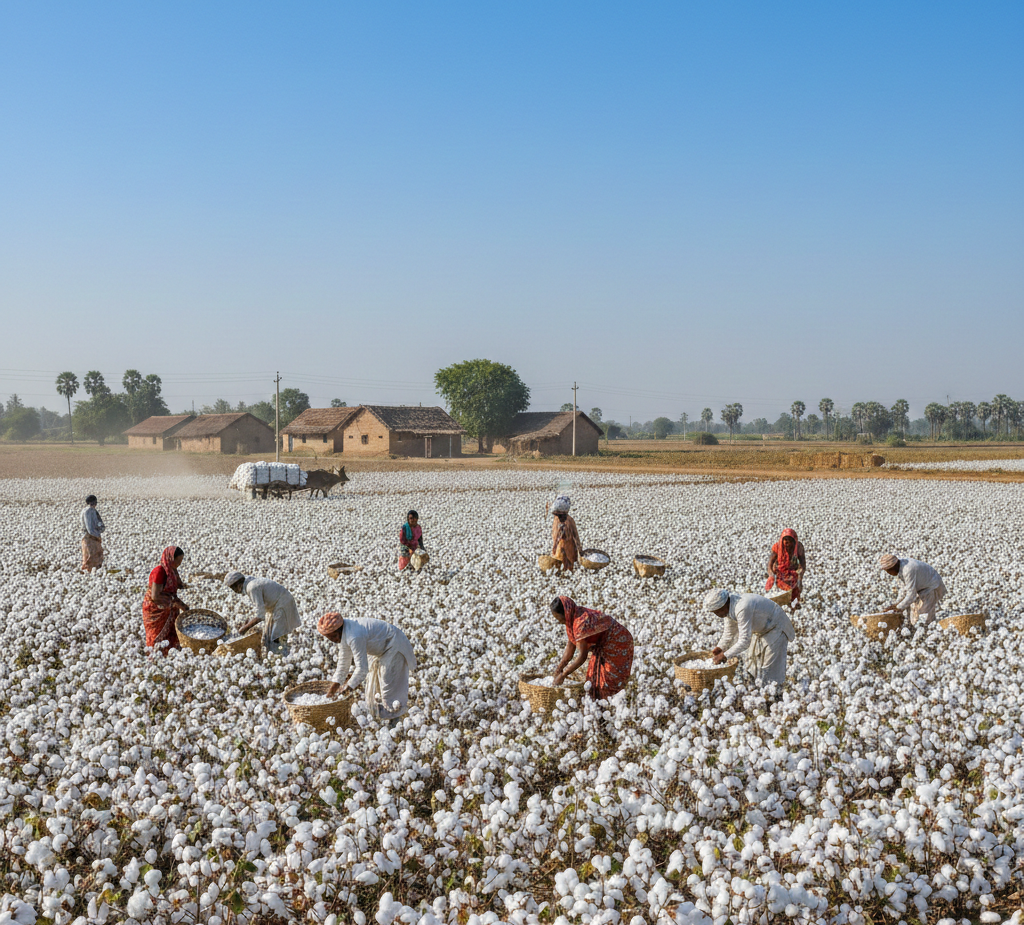
Agriculture forms the backbone of Jalna’s economy. The district is widely known as the “Seed Capital of India” due to its large number of seed processing units and agricultural industries. Fertile lands support the cultivation of crops such as cotton, jowar, bajra, wheat, pulses, and oilseeds. The farming community plays a vital role in sustaining the local economy and preserving rural traditions.
Jalna city serves as the district headquarters and is a growing urban center with expanding infrastructure, educational institutions, healthcare facilities, and commercial activities. The city acts as a key link between rural areas and urban development, offering opportunities for trade, employment, and education.
Culturally, Jalna is rich in traditions, festivals, and religious practices. The district is home to several prominent temples, mosques, and spiritual centers that attract devotees throughout the year. Festivals are celebrated with great enthusiasm, reflecting harmony and deep-rooted cultural values among the people.
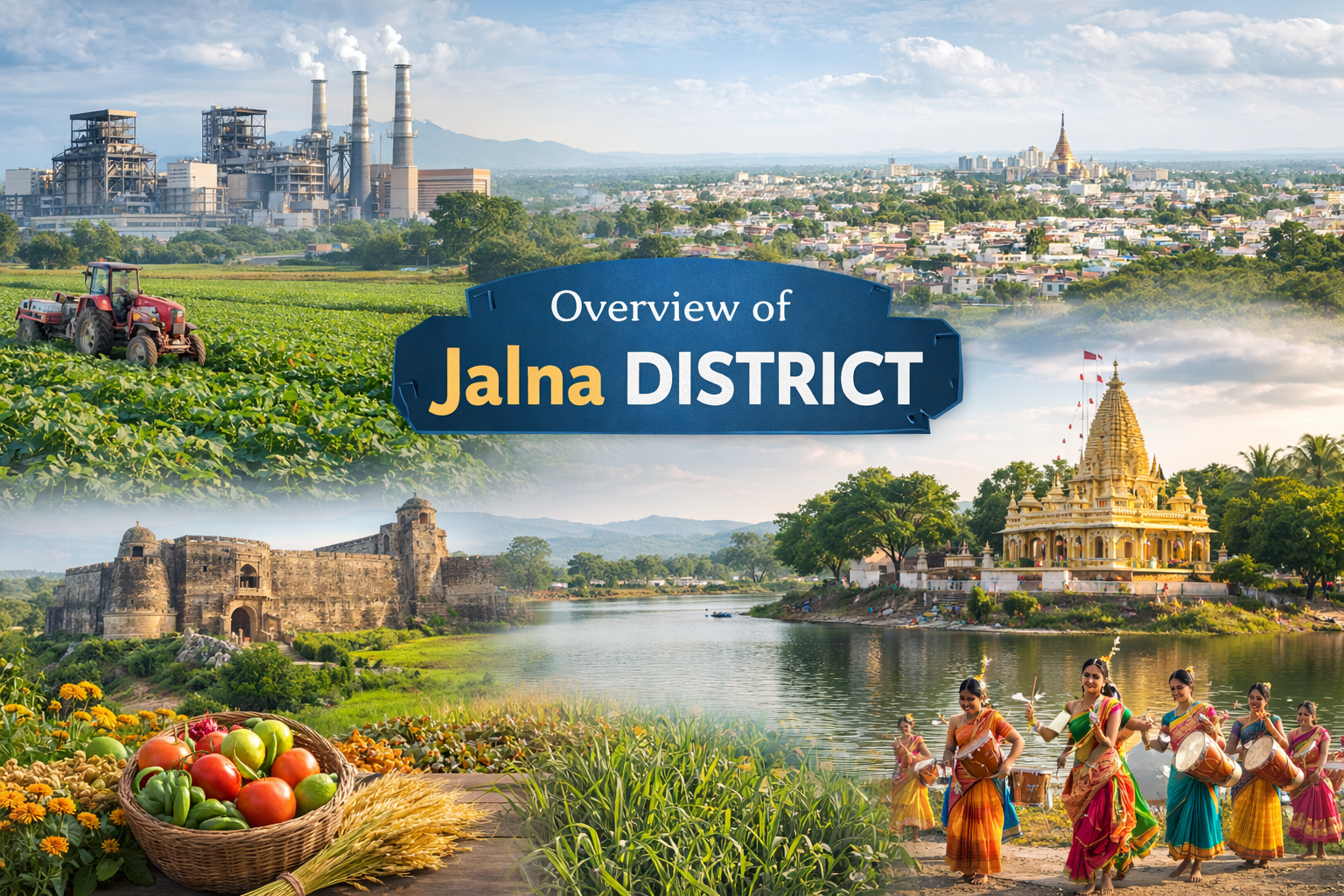
Jalna District – Overview
Jalna District is one of the historically rich and economically important regions of Maharashtra, located in the Marathwada region. Known for its strong agricultural foundation and growing industrial presence, the district plays a key role in the state’s development. Jalna is often referred to as the “Seed Capital of India” due to its large number of seed processing and agricultural industries that support farmers across the region.
Jalna city, the district headquarters, serves as a major commercial and administrative center, blending modern infrastructure with a rich historical backdrop. The district is home to notable temples, heritage structures, and cultural landmarks that reflect its deep-rooted traditions. With its fertile farmlands, expanding urban growth, and strong cultural identity, Jalna District stands as a balanced symbol of tradition, agriculture, and progress in Maharashtra.
Geography & Location
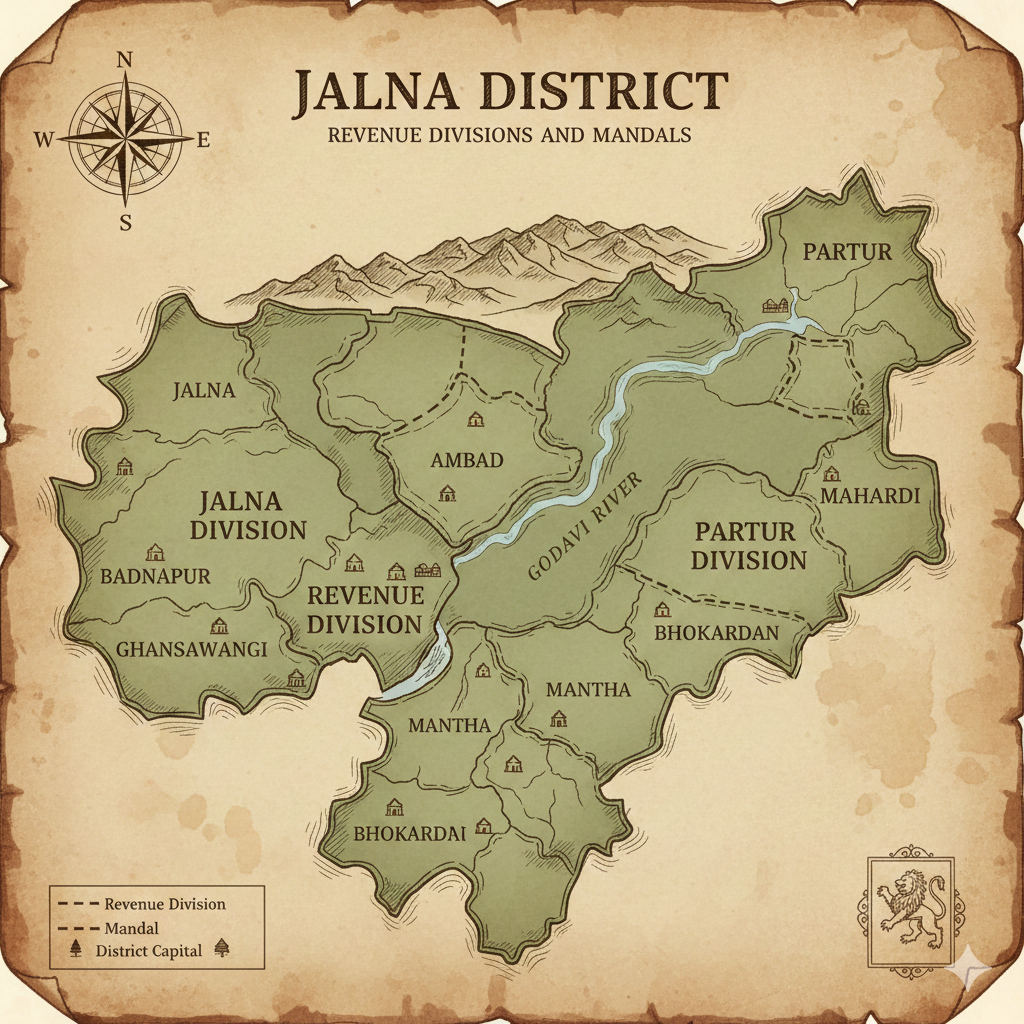
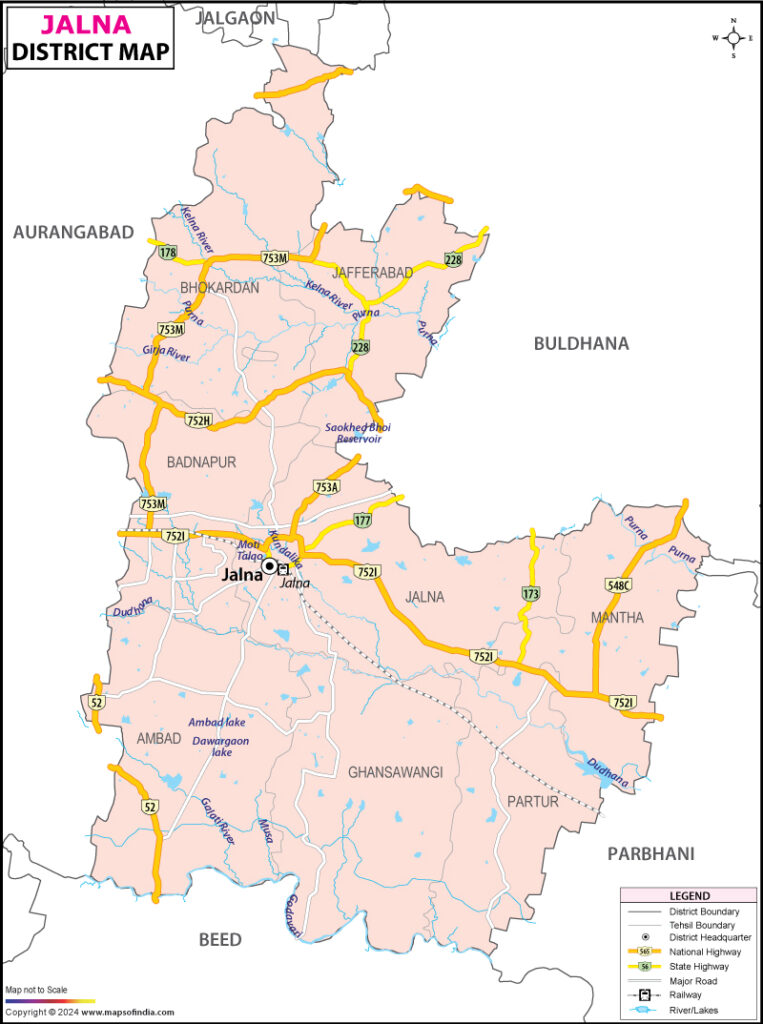
Jalna District is located in the central region of Maharashtra and is bordered by:
Jalgaon District to the north
Buldhana and Parbhani Districts to the east
Beed District to the south
Aurangabad District to the west
Jalna district is characterized by a diverse and vibrant landscape that blends fertile agricultural plains, small hills, river valleys, and urban settlements. Agriculture forms the backbone of the district’s economy, with key crops including cotton, sunflower, pulses, and other cash crops. The district is also recognized for its horticultural produce, particularly the cultivation of oranges, pomegranates, and other fruits.
In addition to its agricultural importance, Jalna has a growing industrial sector. Steel manufacturing, cement production, seed processing, and small-scale industries contribute significantly to the district’s economic development. The presence of industrial hubs alongside traditional markets has fostered employment opportunities and encouraged local entrepreneurship.
The district is well-connected through an extensive network of roads, highways, and railways, ensuring easy access to neighboring districts and major urban centers in Maharashtra. Jalna city, the district headquarters, serves as a key administrative, commercial, and cultural center, offering a blend of modern amenities and traditional charm.
History & Heritage – A Legacy Through Centuries
Jalna has a rich historical background that dates back several centuries, reflecting the influence of ancient kingdoms, medieval dynasties, and the Mughal and Maratha periods. The region has witnessed the rise of forts, temples, trade routes, and settlements that shaped its cultural and architectural identity.
During the Mughal and Nizam eras, Jalna developed as an important administrative and commercial center due to its strategic location in the Deccan plateau. Many historic structures, old temples, and traditional neighborhoods still preserve the stories of this glorious past. The district’s forts, stone architecture, and sacred sites stand as reminders of its long-standing legacy. Over time, Jalna evolved from a historic settlement into a modern district while continuing to protect its traditions and heritage. This deep connection between the past and present gives Jalna its unique character and timeless charm.

Agriculture – Backbone of Jalna’s Economy
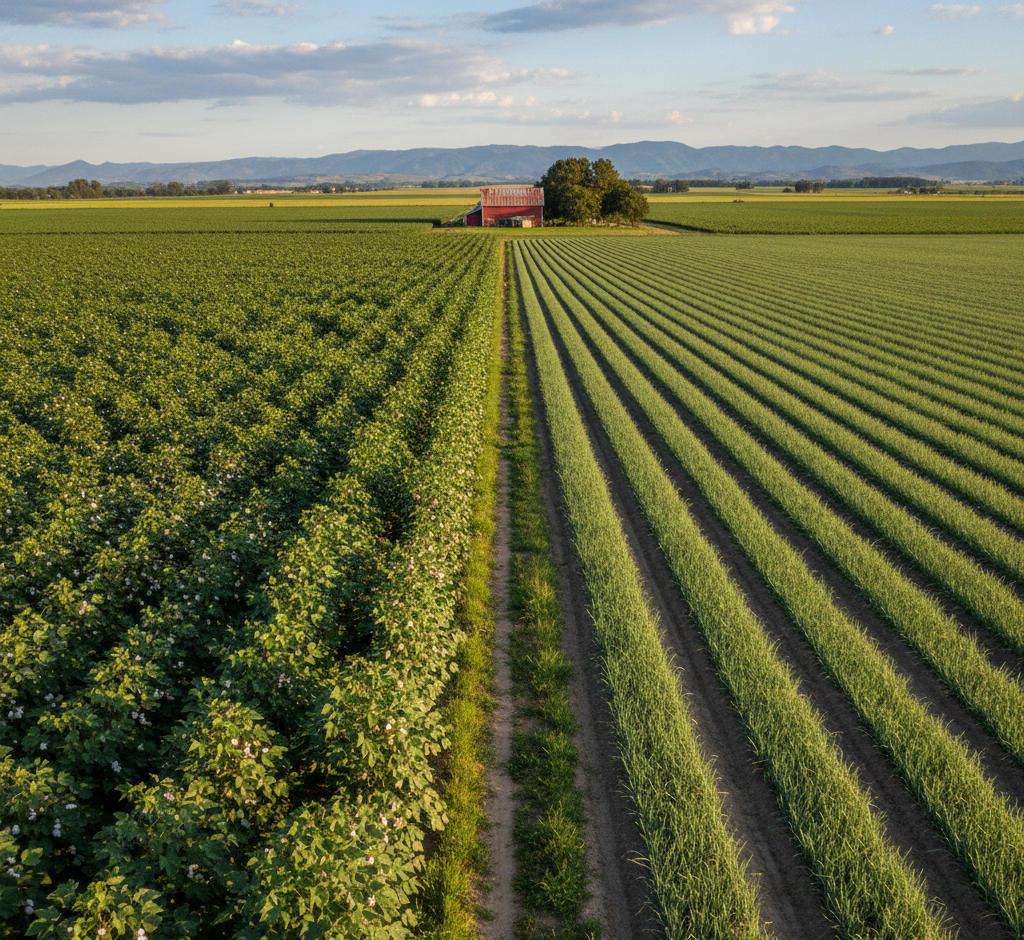
Agriculture is the foundation of Jalna’s growth and the primary source of livelihood for a large portion of its population. The district’s fertile black cotton soil, supportive climate, and hardworking farming communities have made farming the central economic activity across villages and rural areas. For generations, agriculture has shaped the social and economic life of the region.
Although Jalna lies in the drought-prone Marathwada belt, farmers have successfully adapted through efficient water management and modern techniques. Irrigation projects, farm ponds, drip irrigation systems, and watershed programs have improved water availability and helped increase crop productivity even during low rainfall seasons.
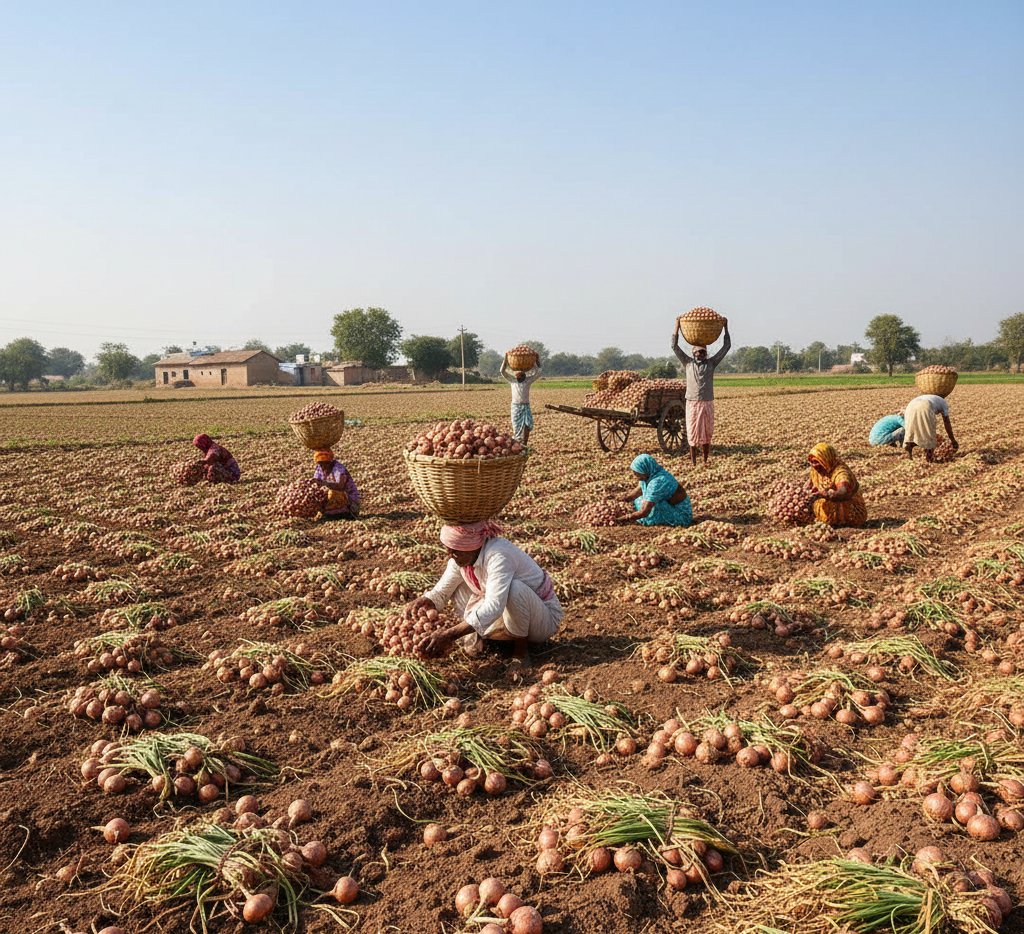
Farmers cultivate a diverse range of crops throughout the year. Major crops include cotton, wheat, jowar, and bajra, along with pulses such as tur and gram, and oilseeds like soybean and groundnut. Jalna is especially known for its large-scale onion production and growing horticulture sector, supplying fruits and vegetables to regional markets.
The district also has a strong network of agro-based industries, including dal mills, food processing units, warehouses, and cold storage facilities.
Seed Industry – The Seed Capital of India
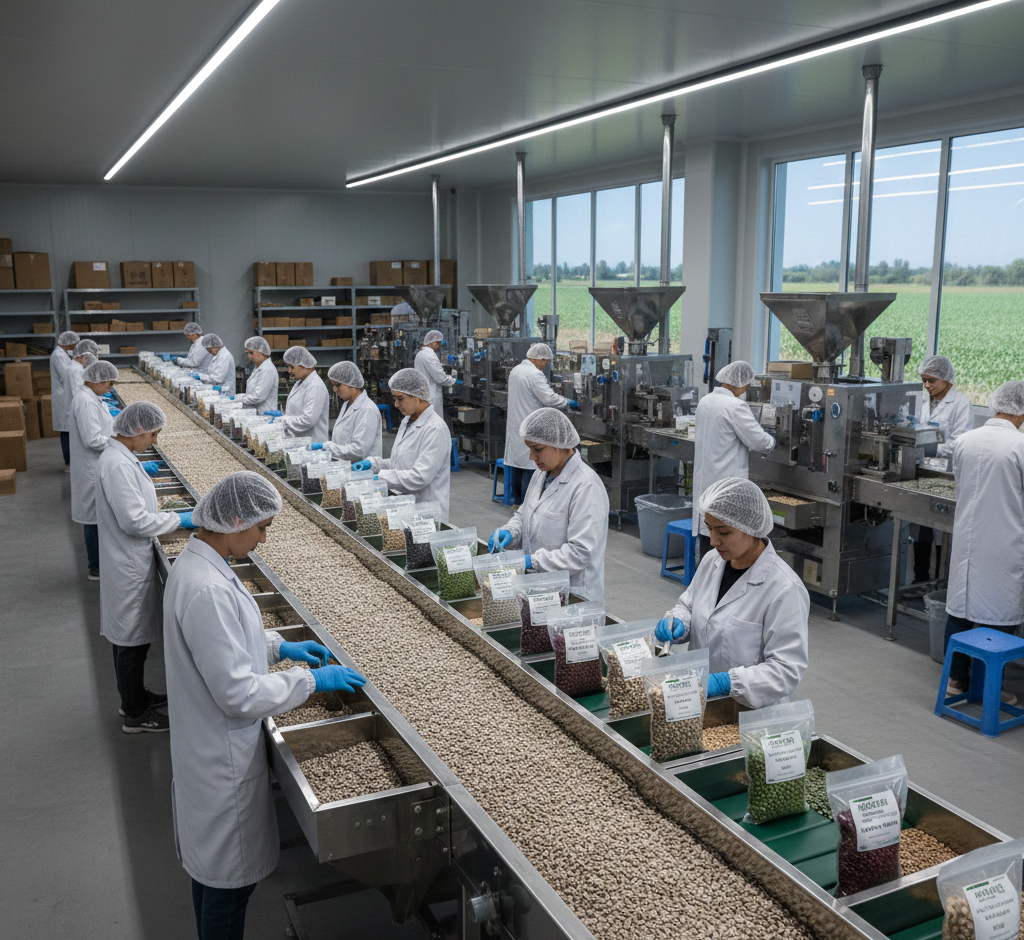
Jalna is proudly recognized across the country as the “Seed Capital of India”, a title earned through its strong presence in hybrid and certified seed production. The district has become one of the most trusted sources of high-quality seeds, supplying farmers not only across Maharashtra but also to several other states. This large-scale seed distribution plays a crucial role in strengthening the national agricultural value chain and improving crop yields across the country.
Over the years, Jalna has developed a well-organized seed production ecosystem supported by modern infrastructure and scientific practices. The region is home to numerous seed processing plants, advanced testing laboratories, grading and packaging centers, warehouses, and cold storage units. These facilities ensure strict quality control, proper storage, and compliance with agricultural standards, delivering reliable and high-performing seeds to farmers. The seed industry also contributes significantly to the district’s economy by creating thousands of direct and indirect employment opportunities. From research, production, and testing to packaging, logistics, and marketing, the entire value chain supports local livelihoods and encourages industrial growth.
Steel & Industrial Development – The Steel City of Maharashtra

Steel Manufacturing & Metal Industries
Jalna has earned statewide recognition as the “Steel City of Maharashtra” due to its strong presence of steel re-rolling mills, metal processing units, and construction material manufacturers. Over the years, the district has transformed into an important steel production hub, supplying high-quality steel bars, TMT rods, and structural materials that are widely used in infrastructure and real estate projects across Maharashtra and other states.
The availability of raw materials, skilled labor, and strategic connectivity through highways and railways has helped the steel sector grow rapidly. Today, numerous small and large-scale mills operate efficiently, making Jalna a reliable source for durable and affordable steel products. This sector not only supports the construction industry but also strengthens the district’s industrial identity.
Industrial Estates & Economic Growth (MIDC Areas)
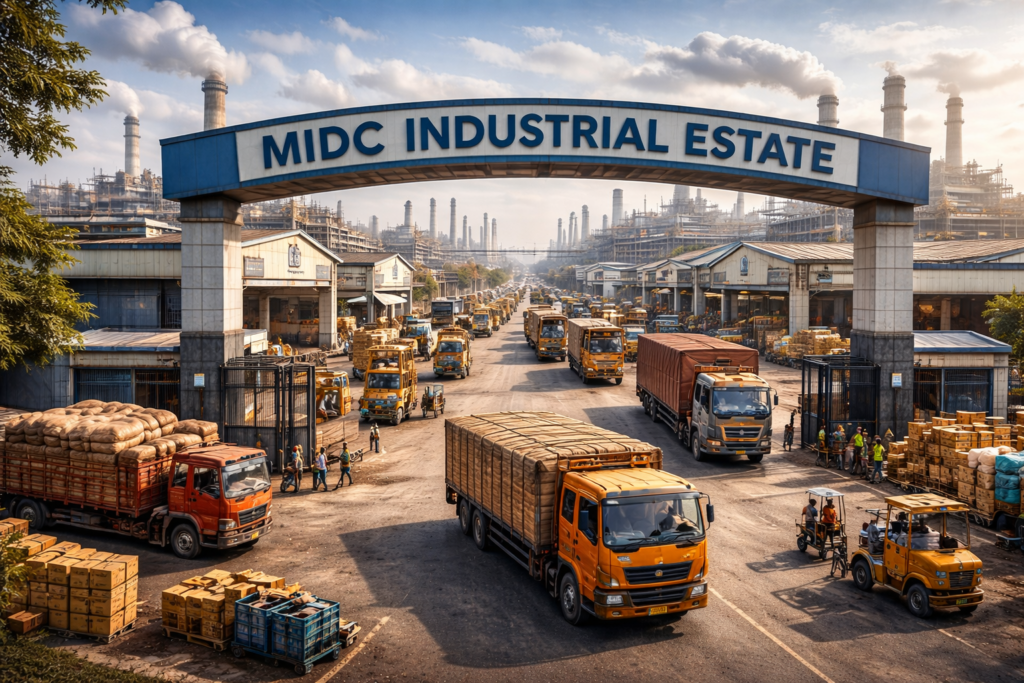
Beyond steel production, Jalna has developed a diversified industrial ecosystem supported by the MIDC (Maharashtra Industrial Development Corporation) industrial zones. These estates host a variety of factories including engineering units, agro-processing plants, seed industries, packaging centers, and manufacturing workshops. These industrial areas provide modern infrastructure such as wide internal roads, power supply, warehouses, and logistics facilities, enabling smooth production and distribution. The growth of these industries has created thousands of employment opportunities for local youth and contributed significantly to trade, business development, and overall economic progress. With a balanced combination of agriculture, seeds, steel, and manufacturing, Jalna stands out as one of the most economically stable and fast-growing districts in the Marathwada region.
Sweet Lemon (Mosambi) & Agro-Based Products
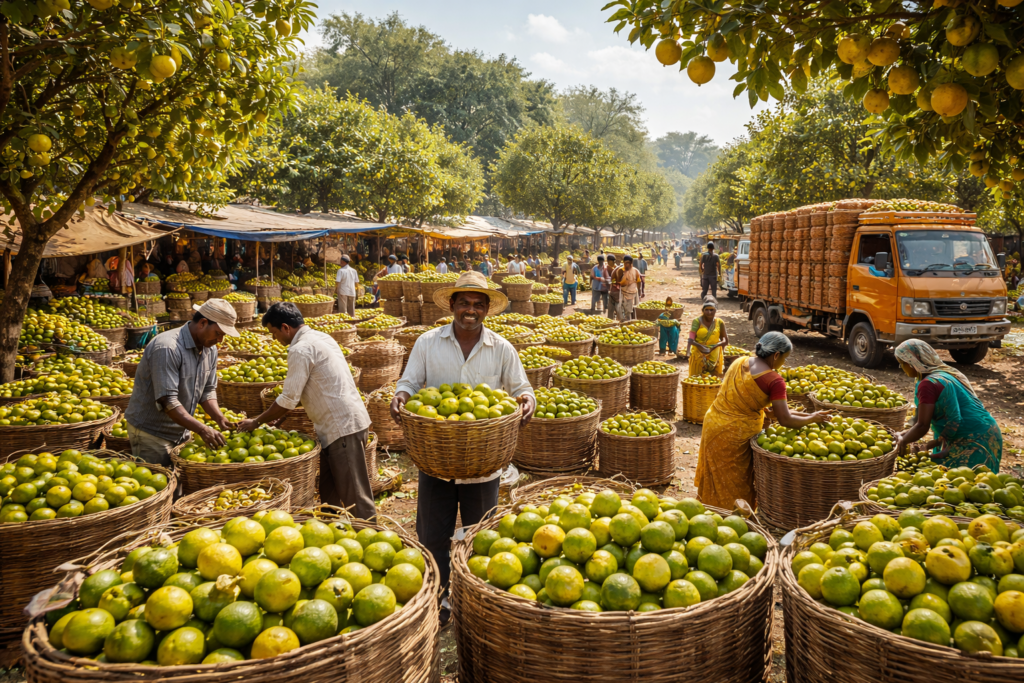
Jalna is also widely known for its sweet lemon (Mosambi) production, making it one of Maharashtra’s key fruit-growing regions. The district’s fertile soil and favorable climate help produce high-quality citrus fruits that are supplied to markets across the state.
Along with Mosambi, Jalna supports several agro-based industries such as:
Dal mills
Food processing units
Cold storage facilities
Fruit trading centers
These sectors strengthen the local economy and provide steady income to farmers and traders.
Religious & Historical Heritage
Jalna holds deep spiritual and historical importance, making it a key cultural destination in the Marathwada region. The district is home to several ancient temples, historic forts, and sacred sites that attract devotees, tourists, and history enthusiasts throughout the year.
Notable landmarks include:
• Matsyodari Devi Temple – Located on a unique fish-shaped hill
• Anandi Swami Temple – A revered pilgrimage site
• Jalna Fort – A symbol of the region’s historic legacy
• Temples, mosques, and dargahs – Reflecting communal harmony
These heritage sites highlight Jalna’s rich architectural style and centuries-old traditions. Festivals and religious gatherings bring the community together and showcase the district’s vibrant cultural life. The peaceful surroundings and scenic views around these monuments add to their charm, making them popular spots for both devotion and exploration. Together, they make Jalna an important spiritual and heritage destination in Maharashtra.

Culture & Traditions

Jalna beautifully reflects the vibrant essence of Maharashtrian culture, where traditions, festivals, and community life blend seamlessly. The people celebrate every occasion with great enthusiasm, preserving age-old customs, local arts, and strong cultural values that have been passed down through generations. Major festivals such as Ganesh Chaturthi, Diwali, Navratri, and local jatras transform the town into a lively celebration filled with colorful decorations, devotional music, and cultural performances. Folk traditions like Bhajans, Kirtans, and Tamasha continue to thrive, keeping the district’s rich artistic heritage alive and connecting people through faith and entertainment. Jalna is also known for its flavorful Maharashtrian cuisine, offering delights such as Puran Poli, Poha, Batata Wada, Bhakri, and traditional sweets and snacks. These local dishes add warmth and authenticity to everyday life, making food an important part of the district’s cultural identity.






Tourism & Attractions
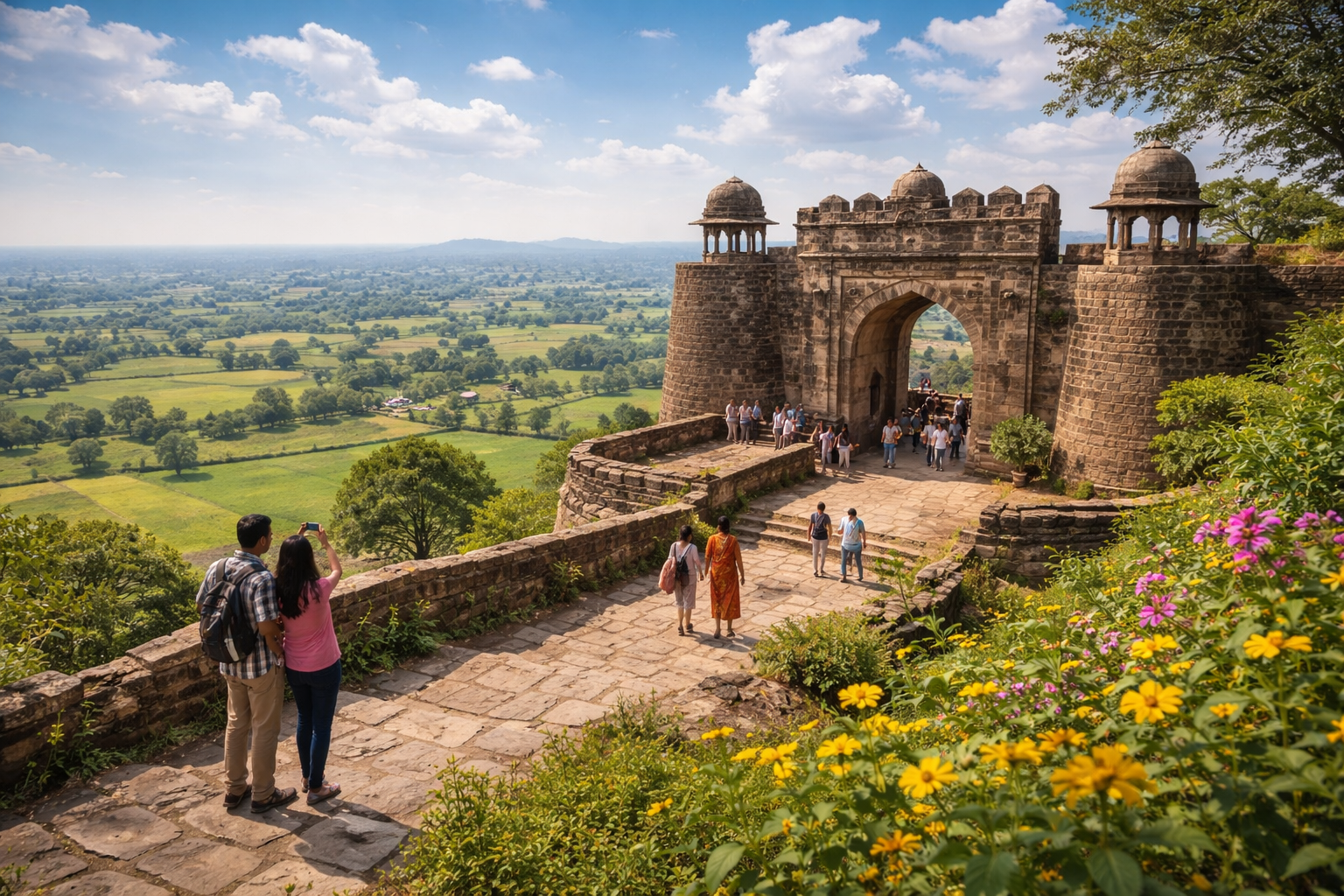
Jalna is gradually emerging as a peaceful and welcoming tourist destination, attracting visitors who seek a blend of spirituality, history, and natural beauty. Away from the rush of crowded cities, the district offers a calm and refreshing environment where travelers can relax and reconnect with culture and tradition.
Tourists come to explore its revered religious sites, historic monuments, well-maintained gardens, and scenic rural landscapes. Popular spots like Moti Bagh gardens provide green open spaces for leisure walks and family outings, while ancient temple complexes draw devotees and pilgrims throughout the year. The nearby countryside, with its open fields and tranquil surroundings, adds to the district’s soothing charm.
With its spiritual atmosphere, rich heritage, and serene settings, Jalna offers memorable experiences for families, history lovers, and faith-based travelers alike. These unique qualities make the district an ideal destination for short trips, weekend getaways, and heritage tourism.


Connectivity & Transportation
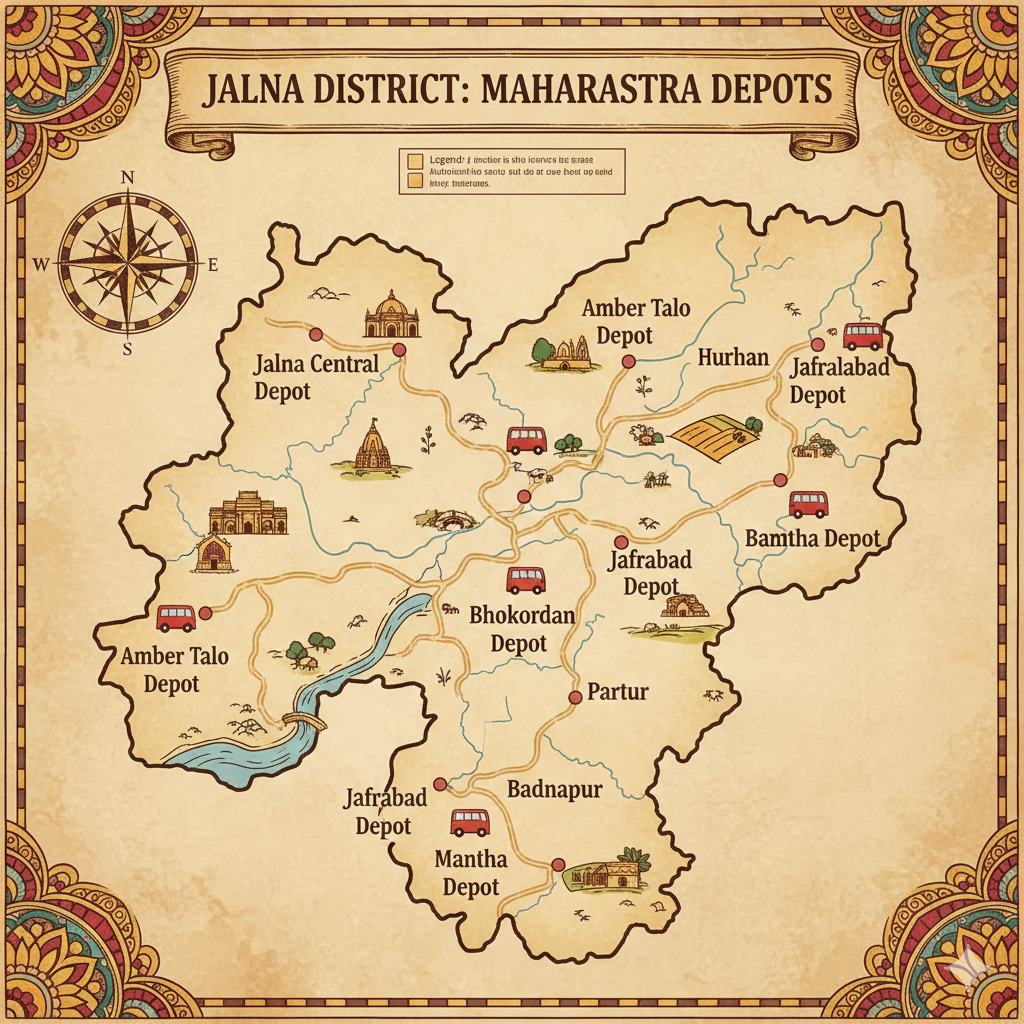
Jalna enjoys strong connectivity through well-developed road, rail, and air networks, ensuring smooth and convenient travel, trade, and logistics across the region. The district is strategically located in the Marathwada region, which allows it to remain well-connected with major cities such as Aurangabad, Mumbai, Pune, Hyderabad, and other parts of Maharashtra and India.
A robust network of highways and state roads facilitates the easy movement of agricultural produce, industrial goods, and daily commuters. The railway line passing through Jalna further strengthens transportation by linking the district to important commercial and industrial centers. Additionally, nearby airports provide access to domestic and national travel, enhancing business and tourism opportunities.
This strong infrastructure not only supports economic growth and industrial development but also makes commuting easier for residents and visitors. With efficient connectivity and expanding transport facilities, Jalna continues to grow as an accessible and well-integrated district.
Road Connectivity – Highways & Regional Access
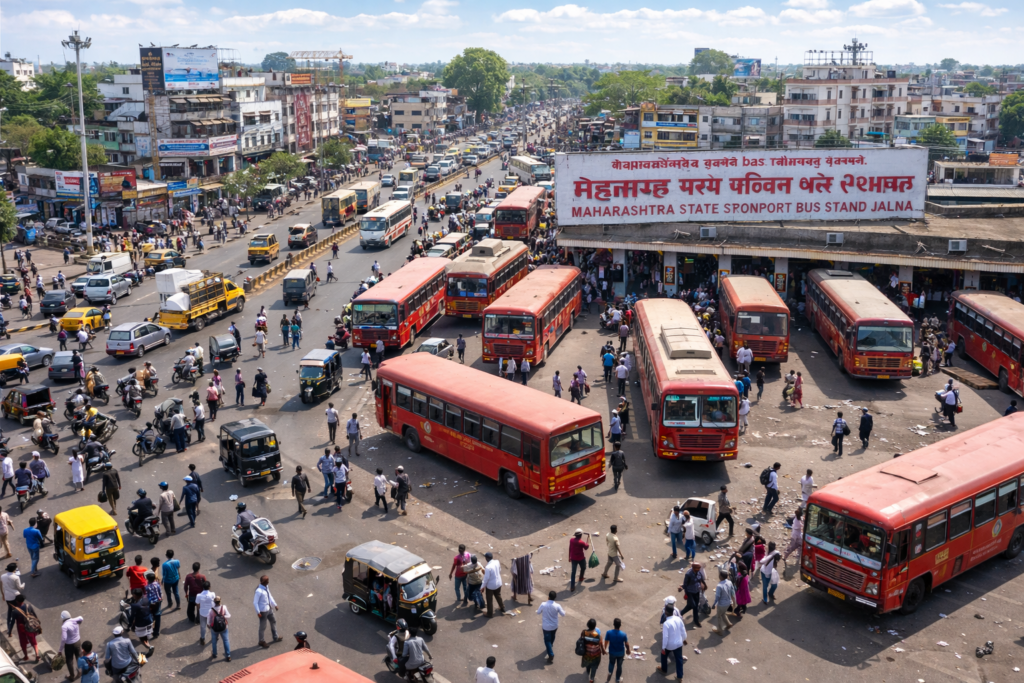
Jalna is connected by a well-developed network of national and state highways that ensure seamless transportation and easy access to major cities such as Aurangabad, Pune, Mumbai, Beed, Parbhani, and Nashik. Strategically located in the Marathwada region, the district benefits from its central position, making it an important transit point for trade, travel, and commercial activities. These wide and well-maintained roads form the backbone of the district’s transport system, allowing smooth and safe movement for both daily commuters and long-distance travelers.
Regular government bus services, private transport vehicles, taxis, auto services, and goods carriers operate efficiently throughout the region, ensuring reliable connectivity between urban centers and rural areas. This extensive network makes it easier for people to travel for education, employment, healthcare, and business purposes. At the same time, the strong road infrastructure supports effective logistics by connecting villages, towns, markets, and industrial zones with major commercial hubs.
The highways play a crucial role in strengthening Jalna’s economy, particularly by supporting key sectors such as the seed industry, steel manufacturing units, cotton trade, dairy activities, and agro-processing industries. Farmers and businesses benefit from faster transportation of raw materials and finished products, helping them reach markets across Maharashtra and neighboring states without delays. With continuous upgrades, better road conditions, and expanding infrastructure projects, Jalna’s road connectivity continues to boost trade, attract investment, and enhance overall convenience, making travel and commerce more efficient for residents, entrepreneurs, and visitors alike.

Rail Connectivity – Efficient Train Network
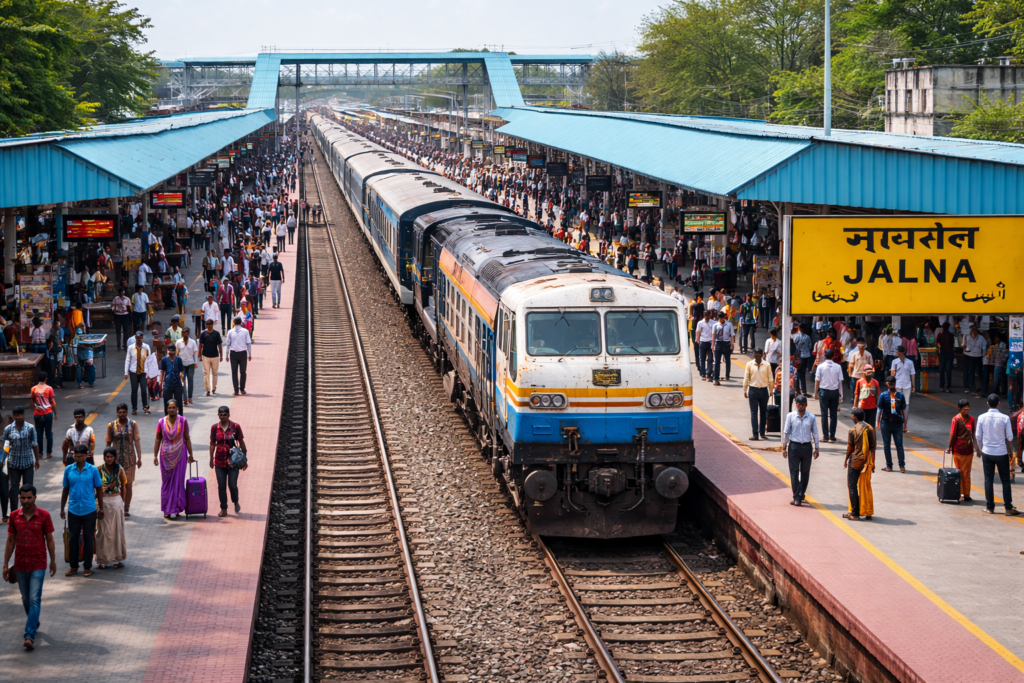
Jalna Railway Station serves as an important rail link in the region, playing a vital role in connecting the district to major railway routes across cities such as Mumbai, Pune, Aurangabad, Hyderabad, and several other key destinations. As part of a well-established railway network, the station provides dependable connectivity for both short-distance and long-distance travel, making it a preferred and economical mode of transportation for residents, students, workers, and business travelers.
Passenger trains, express services, and freight trains operate regularly, ensuring convenient and timely travel throughout the year. The availability of multiple train options makes commuting comfortable and accessible, while also reducing travel time between Jalna and other commercial and educational centers. The station serves as a key transit point for thousands of passengers daily, supporting the district’s growing mobility needs.
Beyond passenger services, the railway network significantly strengthens Jalna’s industrial and agricultural economy. It enables the bulk transportation of seeds, steel products, cotton, and farm produce, allowing businesses to move goods efficiently to markets across Maharashtra and other states. This reliable logistics support reduces costs, improves supply chains, and enhances trade opportunities. Overall, Jalna’s rail connectivity plays a crucial role in boosting commerce, facilitating economic growth, and integrating the district more closely with the rest of the country.

Air Connectivity – Access to Major Cities
Though Jalna does not have its own airport, it benefits greatly from its close proximity to Aurangabad Airport, which provides convenient access to domestic air travel. Located just a short distance away, the airport serves as a major gateway for the region, connecting Jalna to important cities such as Mumbai, Delhi, Hyderabad, Bengaluru, and other metropolitan centers across India.
Regular flights make long-distance travel faster and more comfortable, saving valuable time for passengers compared to road or rail journeys. This easy accessibility to air services is especially beneficial for business professionals, students, tourists, and families who require quick and reliable transportation. The availability of nearby air connectivity ensures that Jalna remains well-integrated with national economic and commercial hubs.
The airport also plays a significant role in supporting the district’s growing industries and trade activities. Entrepreneurs, industrialists, investors, and corporate visitors can travel efficiently for meetings, exhibitions, and business expansion. At the same time, improved air access encourages tourism by making it easier for visitors to explore Jalna’s historical sites, temples, and cultural attractions. Overall, this proximity to air connectivity enhances convenience, boosts economic growth, and strengthens Jalna’s commercial and tourism potential.